| Period | 2010s–present (90s Nostalgia) |
| Description | A vibrant aesthetic centered on 90s and early 2000s childhood nostalgia, utilizing primary colors, stickers, and retro toys. |
| Categories | Good_Articles, Aesthetics_Wiki_Articles, Internet_Aesthetics, 2020s, Core_Suffix, Fashion |
Kidcore
What is it?
Kidcore (sometimes referred to as Kidult) is a fashion style and internet aesthetic that fiercely celebrates childhood nostalgia, focusing specifically on the bright, playful imagery of the 1990s and early 2000s. It actively reclaims the innocence, comfort, and carefree escapism of being a kid.
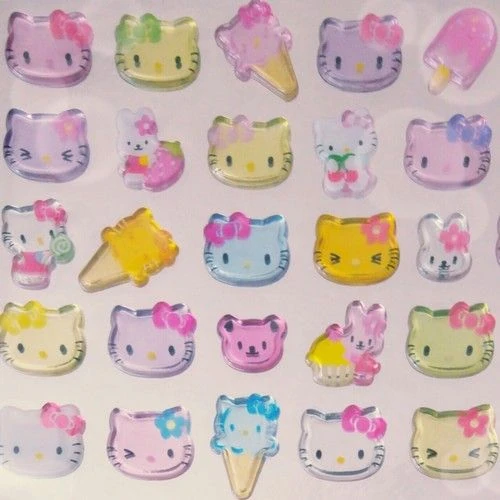
In stark contrast to minimalist or muted adult fashion trends, Kidcore adopts a loud, "more-is-more" philosophy. Visually, it relies entirely on highly saturated primary colors, retro cartoon graphics, and elements directly drawn from late 20th-century children's toys (Lisa Frank, Mattel, Sanrio). While sharing visual DNA with Japanese Decora or the Chinese Dopamine Dressing trends, Kidcore is distinct in its specific generational nostalgia and heavy focus on comfortable wearability.
History & Origins
Tumblr & The 90s Kid Revival (Late 2010s)
The aesthetic was born on Tumblr during the late 2010s, emerging as an active pushback against the mounting pressures of adulthood experienced by aging Millennials and older Gen Z. Users began curating digital moodboards filled with Furbies, Beanie Babies, and "Memphis Jr." architectural elements found in defunct 90s play-places like Discovery Zone or Gymboree.
The Quarantine Comfort Boom (2020–present)
Kidcore experienced a colossal surge in mainstream popularity around 2020 on TikTok and Instagram. Driven by the anxieties of the global pandemic, individuals sought out supreme comfort and intense emotional escapism. Wearing bright rainbow sweaters, chunky plastic rings, and collecting nostalgic toys became a highly visible coping mechanism and a statement of radical positivity.
The look: a field guide
Saturation & Primary Colors
A nearly absolute rejection of earth tones or pastels. The palette relies heavily on pure primary red, yellow, and blue, frequently arranged in bright, unbroken rainbow patterns or massive color-blocking.
1990s Toy Logomania
Direct integration of iconic 90s and early 2000s toys into the wardrobe. Graphics heavily feature Tamagotchis, Furbies, Beanie Babies, and classic Sanrio/Lisa Frank characters.
Chunky Plastic Accessories
Accessories are intentionally juvenile. Oversized, colorful plastic rings, massive hair bows, translucent butterfly clips, and beaded "kandi" bracelets spelling out simple words.
Playground Environments
Photography is often set inside classic childhood spaces: McDonald's PlayPlaces, massive plastic ball pits, roller rinks, and artificially brightly-colored classroom settings.
Quick-reference checklist
- Does it look like a highly saturated commercial for a 1990s toy?
- Are the predominant colors pure red, yellow, blue, and rainbow neon?
- Do you see explicit character branding (Sanrio, Disney, Lisa Frank)?
- Is the clothing aggressively casual, prioritizing comfort and childish fun?
- Does the environment heavily feature alphabet blocks, crayons, or a ball pit?
Gallery
Click any image to enlarge. Images load on demand.