| Period | 2010s |
| Description | A surrealist aesthetic that attempts to emulate the experience of dreams or nightmares, utilizing liminal spaces, eye motifs, and nostalgic distortion. |
| Categories | Good_Articles, Sensitive_Content, Aesthetics_Wiki_Articles, Internet_Aesthetics, 2020s, Core_Suffix |
Dreamcore
What is it?
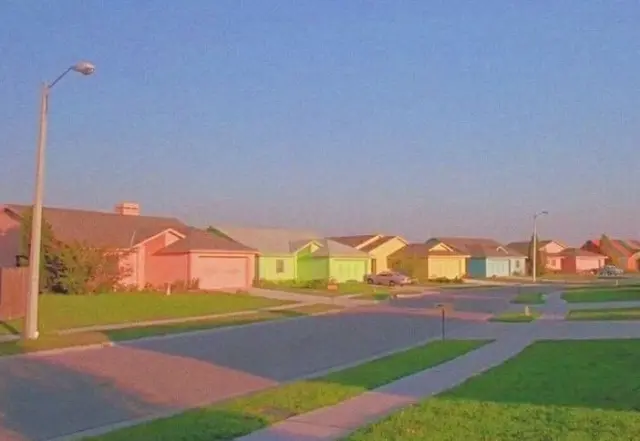
Dreamcore is a surreal internet aesthetic that emerged in the late 2010s to early 2020s, intensely focused on capturing the bizarre, non-linear logic of dreams and the unsettling imagery of the unconscious mind. Heavily intertwined with the concepts of Liminal Spaces and Weirdcore, it utilizes visual environments that feel deeply nostalgic, yet fundamentally "wrong" or unplaceable.
The emotional core of the aesthetic is a combination of comfort, anemoia (nostalgia for a time never known), and dread. It triggers a profound sense of childhood nostalgia, but pairs it with the creeping anxiety of being lost in a space where human logic no longer applies. While its sister-aesthetic, Weirdcore, focuses entirely on confusion and alienation, Dreamcore specifically intends to make the viewer feel simultaneously comforted and unsettled.
History & Origins
Tumblr & The Early Foundations (2018)
While the term "Dreamcore" was not formalized until the 2020s, the visual language traces its roots back to 2018 on Tumblr. Users like @gbrltvrst began sharing surreal visuals featuring floating eyes, cryptic text, and liminal settings. These early posts laid the groundwork for an aesthetic dedicated to mimicking the sensory experience of a dream.
TikTok & Mainstream Explosion (2020s)
During the pandemic lockdowns of 2020, as millions of people experienced "time blindness" and vivid stress dreams, Dreamcore exploded onto TikTok. The format evolved to include video montages set to eerie, nostalgic music (frequently by artists like Jack Stauber). Users began incorporating specific repeating motifs: floating angels, stitched characters, red text, and fields of oversized mushrooms.
The "Cringe" Backlash & Evolution
As Dreamcore expanded, it inspired a massive wave of roleplay, original characters (OCs), and "Traumacore" derivative content. This led to criticism from purists of the older Weirdcore aesthetic, who perceived Dreamcore as a "watered down," overly-commercialized version of surreal internet art. Despite this, Dreamcore matured into a powerful tool for self-expression and exploring themes of self-identity and derealization.
The look: a field guide
Surreal Landscapes
Childhood playgrounds, endless green hills, floating islands, and domestic living rooms placed underneath aggressively artificial blue skies or clouds.
The Observer Motif
A recurring focus on eyes and teeth. Unblinking, hyper-realistic human eyes are frequently photoshopped onto natural objects (like mushrooms) or entirely replace the heads of human subjects.
Cryptic Reality Checks
Red or white Arial text floating unprompted in the environment, displaying confusing phrases like "Wake Up," "Have we met?", or "It's Not Real."
Yami Kawaii & Kidcore Bleed
Incorporating "creepy-cute" elements like pastel colors, stitched plush toys, floating angels, and cartoon organs (brains, hearts) to contrast the dread with extreme innocence.
Dreamcore vs. Weirdcore
A common point of confusion is the line between Dreamcore and Weirdcore. While both utilize low-quality, amateur photography of liminal spaces, their goals are entirely different. Weirdcore seeks to alienate the viewer through pure nonsense, overwhelming text, and terrifying void-spaces. Dreamcore utilizes the same horror elements but frames them in a way intended to provide comfort. It subverts the individual's expectations of reality by placing bizarre character motifs inside soft, nostalgic backgrounds.
Quick-reference checklist
- Is the sky suspiciously flat, filled with perfect clouds, or completely black?
- Are there familiar objects (like toys or sofas) placed within empty, endless fields?
- Are there giant floating eyes, human teeth, or strange angels?
- Is there floating red text asking you if you feel safe, or telling you to wake up?
- Does the image make you feel a simultaneous mix of nostalgia, comfort, and anxiety?
Gallery
Click any image to enlarge. Images load on demand.